

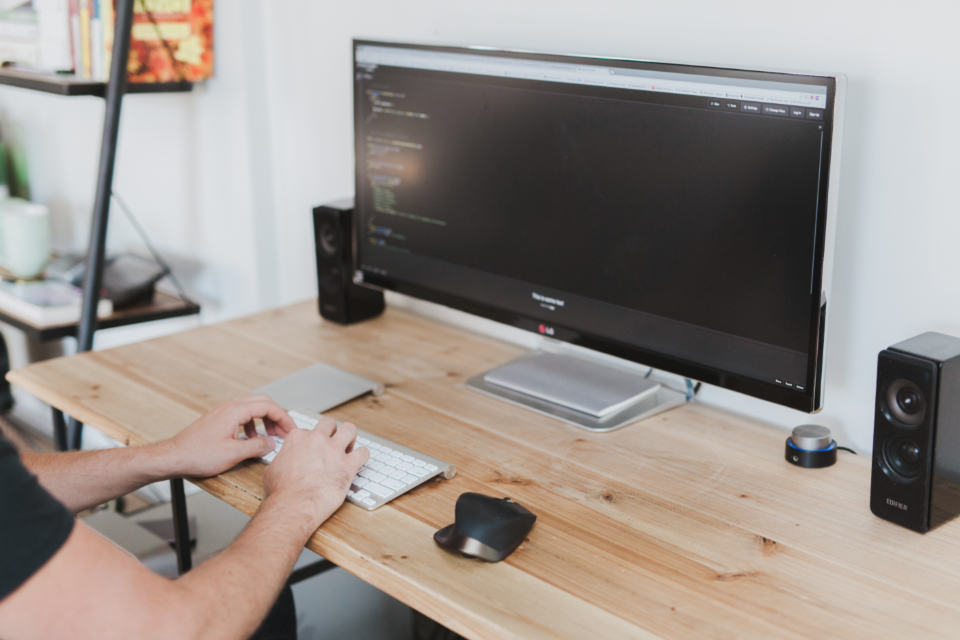
Hot-desking and hybrid work: stop treating every desk as the same workstation
A desk can be comfortable for one person and unsuitable for the next. In a shared office, the last user’s chair height, screen position and keyboard arrangement are only a starting point.
Hot-desking works better when employees can make adjustments, know what to check and have a quick route for getting problems resolved. The same thinking needs to extend to the days they work at home.
Assess the person and the work, not just the furniture
HSE says a workstation assessment is required for workers who use display screen equipment daily as part of their normal work for continuous periods of an hour or more. Assess the equipment, furniture, conditions, work and individual needs. Its assessment guidance also identifies changes of workstation or use, new users and reported discomfort as reasons to assess.
A completed form should lead to practical decisions. If a person cannot achieve a suitable arrangement at the desks they can actually book, a generic statement that the office has adjustable chairs does not resolve the problem.
Give people a repeatable setup routine
Provide a short instruction near shared desks and show employees how the equipment adjusts. They should be able to position the chair, screen and input devices for comfortable work, with suitable support and enough space. HSE’s workstation checklist can help identify issues needing a fuller assessment.
Keep the routine usable: connect the required equipment; adjust the chair and work position; arrange the screen and input devices; check lighting and reflections; and report anything that cannot be put right. This is a suggested reminder sequence, not a replacement for the assessment or training.
Separate quick adjustments from unresolved problems
| Issue | Immediate decision | Follow-up |
|---|---|---|
| A monitor cannot be adjusted sufficiently. | Find a suitable alternative arrangement before prolonged work. | Assign someone to resolve the equipment problem. |
| A chair control is broken. | Report the fault and prevent the chair being treated as serviceable. | Repair or replace it and confirm the outcome. |
| A worker reports recurring discomfort. | Arrange a review rather than repeatedly suggesting another desk. | Check whether the changes address the issue; obtain appropriate advice where needed. |
Give each report an owner. A facilities inbox that nobody monitors is not an effective process. Tell the worker what happens next and check that agreed equipment is available when they need it.
Include the home setup
HSE says an assessment should cover both situations where employees use DSE at home and in the office. Trained workers can often contribute through self-assessment. A trained assessor should review the results, clarify doubtful points and make sure problems are addressed. Necessary DSE equipment identified by the assessment cannot be charged to the worker. See HSE’s homeworking guidance and the assessment guidance above.
Ask about the actual working arrangement without assuming that everyone has a spare room, a permanent desk or the same equipment. Include workload and support in a separate work-related stress review. Agree changes that address the findings, rather than sending every person the same shopping list.
Plan the workday as well as the desk
HSE says work should be organised with breaks or changes of activity for DSE users. It does not prescribe a universal statutory break length; the work determines what is suitable. Short, frequent interruptions to screen work are generally preferable to infrequent long ones. Read the work-routine guidance.
When reviewing hot-desking, ask whether people can use the controls, find the equipment they need and resolve a problem without losing access to suitable work. Those answers are more useful than counting how many desks have been labelled “ergonomic”.
Scope: this guide uses HSE guidance for workplaces in Great Britain. Northern Ireland has a separate health and safety regime; check HSENI guidance where relevant. Apply the advice to your own activities and obtain competent help where needed.